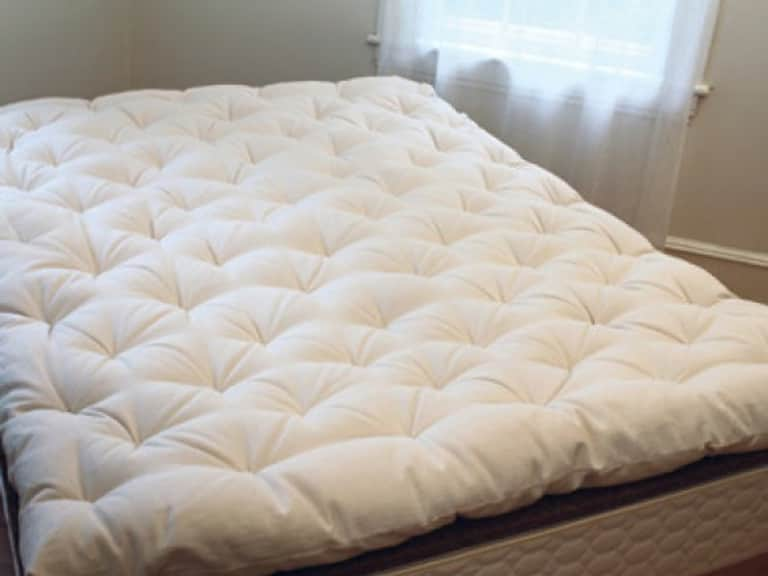
Savvy Rest Pastoral Wool Mattress
Experience cooler, drier sleep with this latex-free, organic wool mattress—breathable, moisture-wicking comfort inside a chemical-free cotton cover, handcrafted for lasting support and versatile use.
An evidence-informed look at selecting an organic mattress, focusing on materials, certifications, and support needs. This guide reviews real-brand options and practical steps to compare models without sales pressure.
In the realm of sleep, the choice of mattress matters as much as routine and environment. An organic mattress goes beyond a simple label; it represents a commitment to materials, certifications, and construction practices that prioritize health, durability, and comfort. Central to this choice are certifications like GOTS (Global Organic Textile Standard) and GOLS (Global Organic Latex Standard), which establish transparent benchmarks for organic content and processing. These marks help consumers distinguish mattresses with genuine organic inputs from those using vague claims or minimal natural elements.
Organic latex, certified covers, and tightly controlled production processes influence not only comfort but also breathability, resilience, and allergen exposure. When evaluating options, readers should consider how materials interact with sleep positions, temperature preferences, and sensitivity to chemicals. An organic mattress isn’t only about the core—it's about the overall fabric, the finishing touches, and the lifecycle of the product—from raw materials to end-of-life considerations.
This guide merges practical, real-brand examples with a framework for comparison that you can apply across models. We aim to empower readers with clarity, not pressure, helping you identify features that align with your sleep needs while staying aligned with evidence-based reasoning.
Certifications serve as a roadmap to quality and safety. GOTS certifies organic fibers and responsible processing practices, ensuring textiles meet stringent environmental and social criteria. GOLS certifies natural latex products that meet organic standards, focusing on the material’s composition and manufacturing integrity. While these certifications don’t guarantee every performance outcome, they provide a credible baseline for buyers who prioritize chemical-free materials, reduced toxicity, and transparent supply chains.
Beyond international labels, many brands publish third-party test results, material specifications, and factory audit information. The combination of certifications, material disclosures, and independent reviews helps consumers assemble a coherent picture of a mattress’s health profile. In a market crowded with claims, a disciplined approach—checking certifications, certifications’ scope, and the share of certified content—offers a reliable path to a satisfying purchase.
A mattress’s feel and performance depend on the materials inside. Organic latex, particularly Dunlop or Talalay varieties, delivers resilient support with consistent lift and excellent pressure relief. Latex’s natural breathability can support a cooler sleep surface, especially when paired with breathable covers and zoned constructions. For sleepers with latex sensitivities, latex-free options like organic wool or cotton interiors offer alternative pathways to comfort without compromising eco-credentials.
Organic wool padding is a natural regulator of temperature and moisture. It can wick away humidity and promote a drier sleeping environment, which is especially appealing for those who tend to overheat at night. When wool is used, the surrounding fabrics and tufting methods matter for durability and comfort. Organic cottons—cover fabrics and inner layers—provide a soft, breathable touch while maintaining a healthy, chemical-free profile. A well-designed combination of these materials can yield a mattress that balances support, temperature regulation, and longevity.
In practice, the right mix depends on your sleep position, weight, and preferences. Side sleepers may benefit from targeted pressure relief; back and stomach sleepers may seek steadier spinal alignment and stable support. A practical approach is to identify your priorities—cooler sleep, lower allergen exposure, latex sensitivity considerations—and match them to a model’s material stack, all while verifying independent certifications and production transparency.
Naturepedic and Savvy Rest stand as prominent examples within the organic mattress space, offering products that embody the principles discussed above. Naturepedic emphasizes organic cotton covers and non-toxic fire barriers, often presenting crib mattresses and full-size options that align with a line of chemical-free bedding. Savvy Rest focuses on organic latex options and modular comfort, with a reputation for craftsmanship and a transparent approach to materials.
When evaluating these brands, readers should look beyond marketing copy to material disclosures, certification statements, and the construction details that influence feel and durability. For example, latex cores may be Dunlop- or Talalay-processed, each with distinct properties. Wool and cotton layers, along with the fabric covers, contribute to how the mattress breathes and how it maintains its shape over time. These brands illustrate how organic credentials translate into tangible sleeping experiences, providing practical benchmarks for comparison without sales pressure.
Using this framework, readers can navigate with confidence, comparing real-world models against their own sleep needs rather than reacting to marketing promises. The goal is a healthier sleep environment grounded in evidence, transparency, and long-term value.
Consider a reader who prioritizes cooling and allergen-conscious materials. A mattress featuring a breathable organic cotton cover, a latex core with good airflow, and wool padding for moisture management could deliver the combination of comfort and temperature control they seek. If the core is latex, ensure it carries a credible organic certification and is processed in a way that minimizes chemical exposure. A model with a certified cotton cover and responsibly sourced wool may provide the cooling benefits without introducing potentially irritating additives. This kind of translation—from material specs to daily comfort—illustrates how evidence-based considerations translate into real-world outcomes.
Trust in a mattress purchase is reinforced by clear care instructions, transparent ingredient lists, and accessible third-party testing information. Brands that share factory audits, supply chain details, and durability studies help readers evaluate long-term performance. This emphasis on openness echoes the broader ethos of an evidence-informed guide—one that respects the reader’s time and curiosity, while avoiding pressure-filled sales narratives.
If you’d like, I can draft a sample site map featuring pages such as Sleep Health Basics, Mattress Guides by Sleep Need, Research Spotlight, Tools & Calculators, Expert Perspectives, and a Resources library. I can also prepare 5–7 starter articles with outlines to seed the hub, all grounded in evidence and real-brand references.
Get starter article outlines