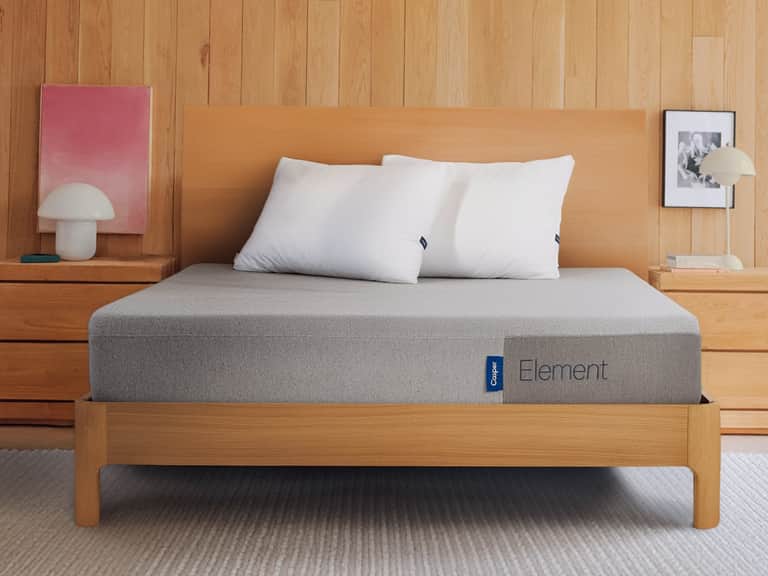
Foam mattresses are designed to conform to the body's contours, providing targeted pressure relief and support. Memory foam, high-density polyurethane, and transitional foams work together to reduce motion transfer, enhancing sleep stability. This category highlights materials, densities, and layering strategies that influence firmness, responsiveness, and durability for varied sleeping styles.
Key features to understand include density ratings, cell structure, and cooling technology. Higher density foams typically offer longer lifespan and better support, while open-cell structures and gel-infused layers can improve breathability. For allergy-conscious sleepers, hypoallergenic covers and antimicrobial foams address common sensitivities without compromising comfort.
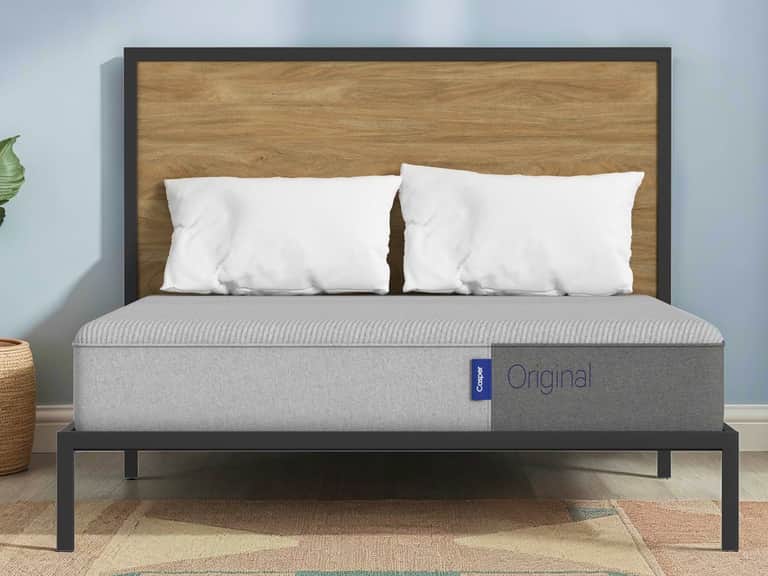
Original Mattress examples in this category illustrate diverse constructions: a classic memory foam model with a multi-layer comfort system, a transition foam option balancing support and bounce, and a denser base core designed for spinal alignment. Functional benefits often include motion isolation, pressure relief at shoulders and hips, and durable edge support.
In evaluating foam mattresses, consider sleeping position, body weight, and heat tolerance. Side sleepers may benefit from softer top layers for shoulder and hip relief, while back and stomach sleepers might require firmer support to maintain neutral spine alignment. Proper zoning and reinforced edges can further enhance overall stability.
Beyond core comfort, materials like latex blends and specialized cover fabrics influence responsiveness, cooling, and longevity. Understanding how the Original Mattress incorporates different foams, layering sequences, and ergonomic design helps users assess suitability for sleep quality, daily function, and long-term satisfaction within the bedding category.
 Mattresses